
Everything beer. Sorted.
Whether you are just getting started or already deep into the details, Best for Beer helps you understand the glass, choose with confidence and enjoy every pint a little more.
A clear route through beer.
Begin with the core course, then keep learning as new courses and chapters are added.
Explore Beer School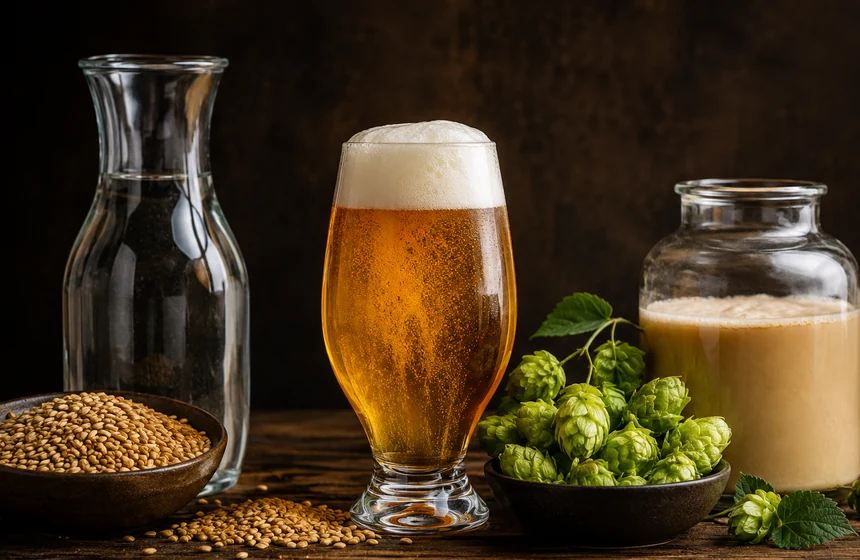 What is beer?6 min read
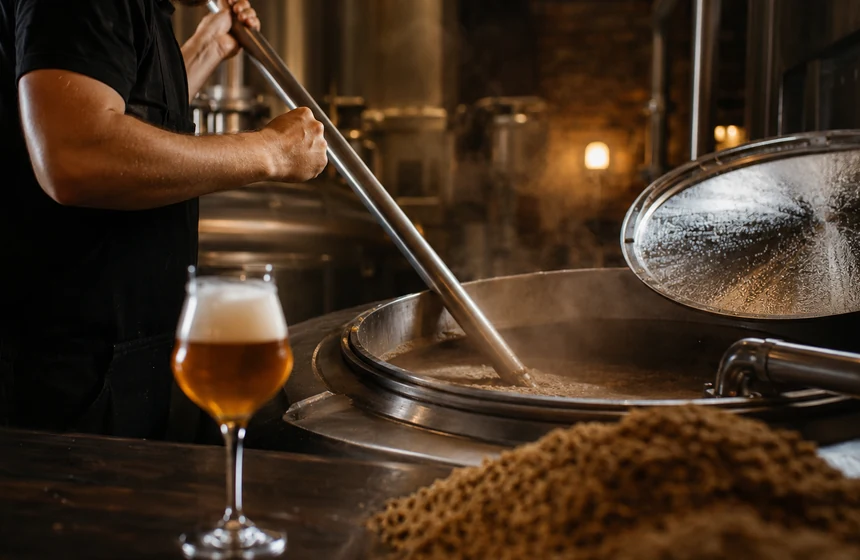 How beer is made9 min read
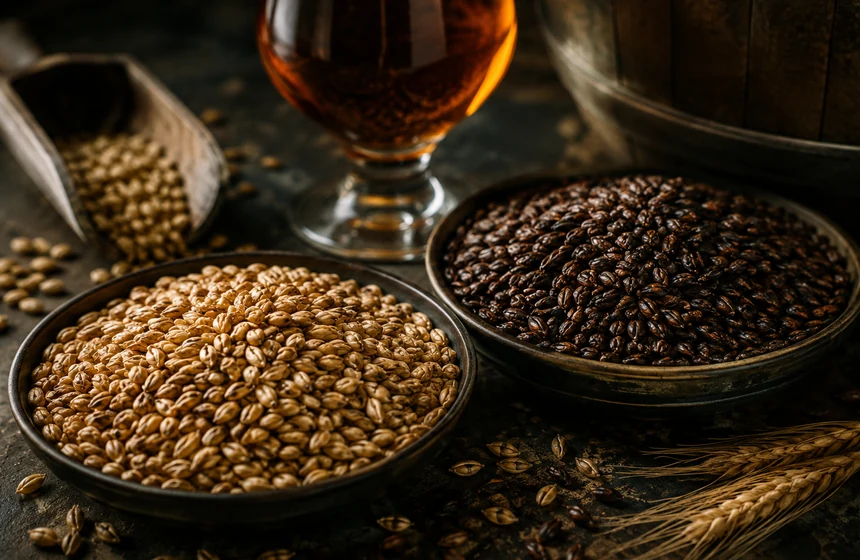 Malt explained7 min read
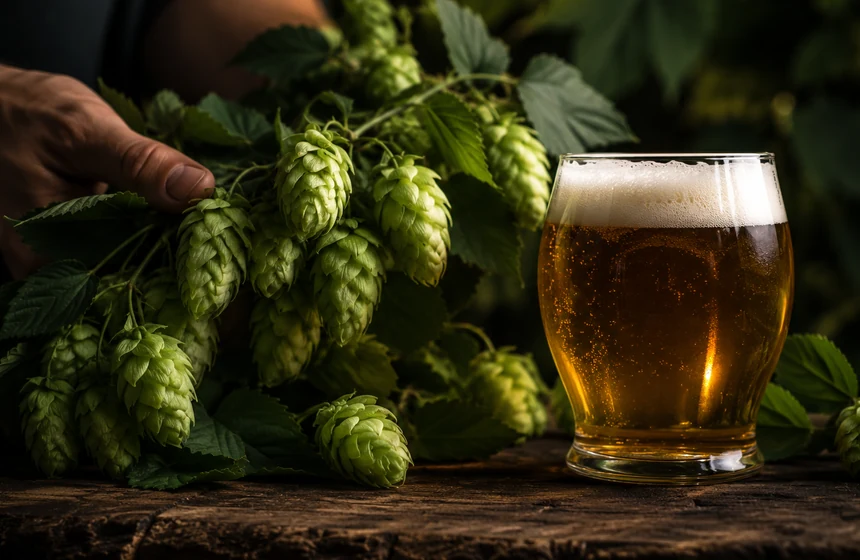 Hops explained7 min read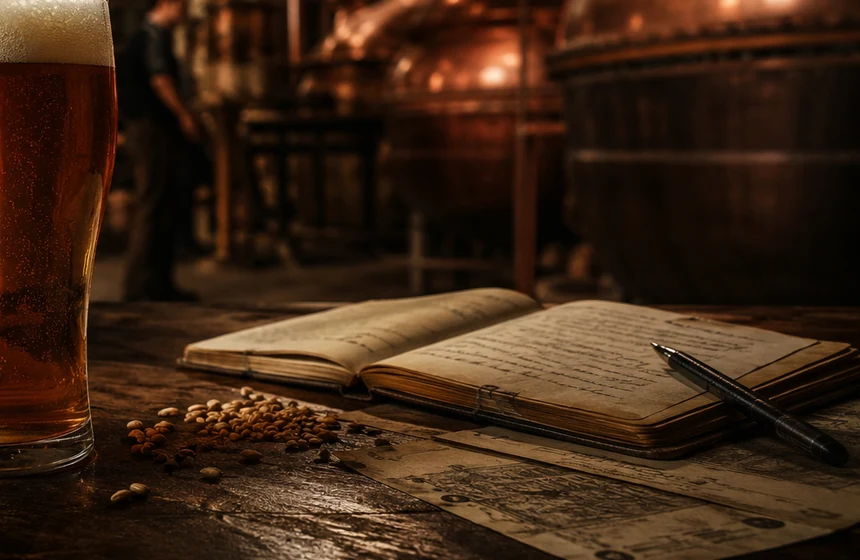
The brewery lease that runs for 9,000 years
Arthur Guinness signed one of brewing history's most famous property deals on New Year's Eve 1759.
Read the story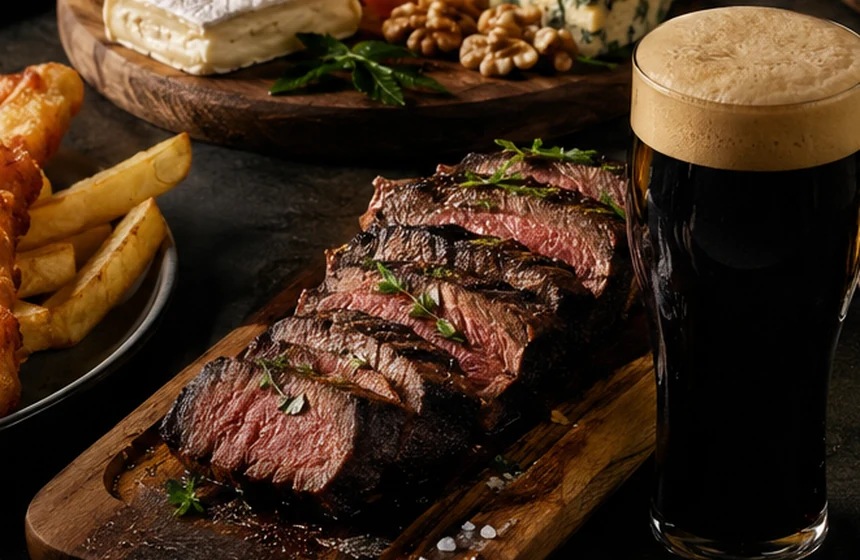
Better together
Find a beer that complements the food rather than disappearing beside it.
Explore pairingsThree useful routes into the world of beer.
Choose by flavour, answer a practical question or read the story behind the glass.
Beer styles
From clean lager and aromatic IPA to rich stout and tart sour beer.
Explore styles → 02Tools and guides
Clear comparisons and practical advice for choosing, serving and understanding beer.
Browse guides → 03Beer stories
Breweries, inventions, accidents and people that changed what the world drinks.
Read stories →Good beer. Better knowledge.
No snobbery. No invented rules. Just useful knowledge that makes the next beer more interesting.