
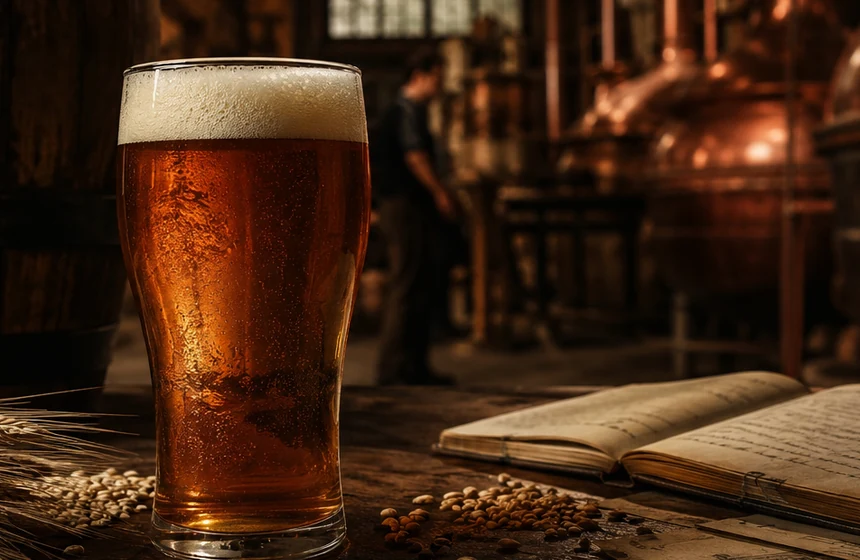
Beer to support monastic life
Saint-Sixtus Abbey records its first official brew in June 1839, after receiving a brewer’s licence signed by King Leopold I. The brewery now makes three beers: Blond, 8 and 12.
The monks do not present growth as the objective. Production is tied to the needs and rhythm of the abbey, which immediately sets Westvleteren apart from a brewery trying to satisfy every available customer.
Webshop, registration and a number plate
Official crates are released in limited quantities through the abbey webshop. Buyers must be registered private individuals. Collection orders are linked to a registered vehicle, and the published rules restrict orders associated with that number plate.
Home delivery exists only within Belgium. Collection remains the route for many visitors, and availability varies by sale window.
The demand became larger than the supply
The abbey says demand rose sharply after the beer attracted global attention. Earlier telephone reservations became notorious among enthusiasts. An online system later replaced the beer phone to make sales more manageable and give more private customers a chance to buy at the intended price.
The controls do not stop resale entirely, but the official position is clear: sales are for consumers, not professional traders.
Scarcity is not a flavour
Westvleteren’s reputation makes it easy to taste the story before the beer. Rarity, pilgrimage and rankings create expectation.
The sensible approach is to separate the two pleasures. The beer can be enjoyed as a Trappist ale, while the distribution system can be appreciated as a fascinating rejection of ordinary beer marketing.
Taste it opposite the abbey
In de Vrede is the authorised visitor centre opposite Saint-Sixtus Abbey. It serves Westvleteren and sells selected packs when available. Official crate sales are handled through the abbey’s own website.
Opening times, tour availability and prices can change. Use the official links before travelling.