
A culture, not a trophy
In 2016 UNESCO placed beer culture in Belgium on the Representative List of the Intangible Cultural Heritage of Humanity. The wording matters. This was not a medal for one brewery and not a claim that Belgian beer is objectively superior.
The recognition covers making and appreciating beer across communities, including its place in ordinary life, celebrations, food, education and social traditions.
A small country with improbable range
Belgium connects monastery brewing, lambic fermentation, family breweries, regional cafés, elaborate glassware and newer experimental producers. Beer can be pale, dark, sour, fruity, dry, strong, spiced or spontaneously fermented.
The culture also extends into food. UNESCO notes beer-washed cheese, cooking and pairing as part of the wider tradition.
Heritage can still change
Intangible heritage is not supposed to freeze a culture in amber. Belgian brewing keeps evolving. VISITFLANDERS presents old styles and Trappist traditions beside modern microbrewers using new hops and yeast cultures.
That tension between inheritance and invention is precisely what makes the story useful. A living tradition survives because people keep doing something with it, not because they place it behind glass.
Even the glass can be part of the beer
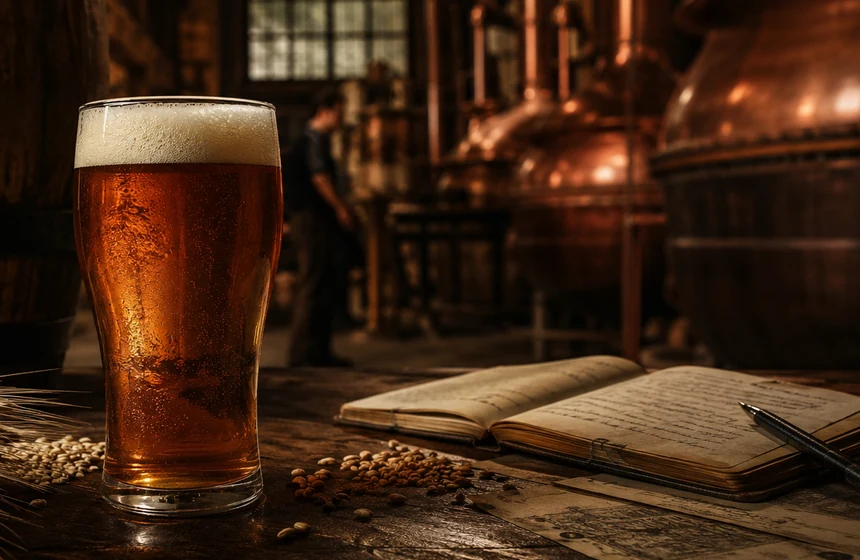
Belgian breweries are famous for pairing beers with distinctive glassware. Some glasses emphasise aroma, some support a large foam head and some are simply theatrical.
The ritual can look fussy from the outside, but it reinforces a central Belgian idea: serving is part of the beer’s identity, not an afterthought.
Build a real Belgian beer trip
VISITFLANDERS links breweries, beer museums, walking and cycling routes, traditional cafés and regional styles. UNESCO’s page explains the heritage designation in its own words.
Opening times, tour availability and prices can change. Use the official links before travelling.