
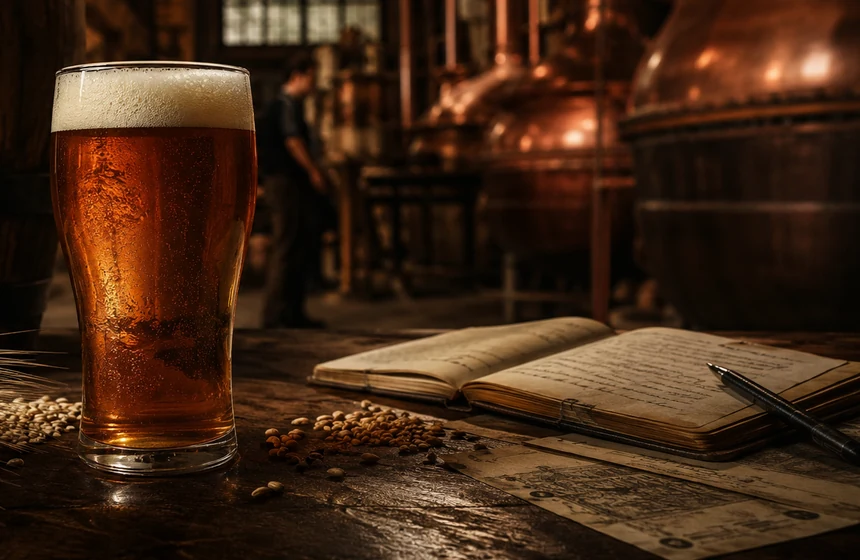
Real Ale
Live beer defined by conditioning in its final container, especially cask-conditioned beer.
Craft Beer
A broad label often associated with flavour, independence and smaller-scale brewing.
What is the difference between real ale and craft beer?
Real ale describes a live conditioning process. Craft beer is a broad, disputed label. A beer can be both, either one, or neither.
CAMRA uses live beer for beer that continues to condition through yeast in its final container. Cask-conditioned beer is the best-known form. Craft beer has no single agreed UK definition, although independence, distinctive flavour, small scale and brewing intent are commonly associated with it.
Real ale versus craft beer comparison
| What it describes | Real ale: conditioning and the presence of live yeast. Craft beer: a broad identity, market and cultural term. |
|---|---|
| Agreed UK definition | Real ale: CAMRA provides a technical definition within its live beer framework. Craft beer: no single agreed definition. |
| Brewery size | Real ale: can be brewed by large or small breweries. Craft beer: often associated with small or independent breweries, but the label is widely used. |
| Packaging | Real ale: cask and other qualifying live formats. Craft beer: cask, keg, can, bottle or tank. |
| Beer styles | Either term can include pale, dark, hoppy, malty, sour or strong beers. |
What makes ale real?
The central idea is that the beer remains live and continues conditioning through yeast in the container from which it is eventually served. Cask-conditioned beer continues to mature in the cask in the pub cellar and is served at atmospheric pressure.
The word ale in real ale is historical usage. CAMRA's wider live beer concept can include qualifying beer conditioned in bottles, cans, tanks and membrane kegs.
What makes beer craft?
There is no answer accepted by everyone in the UK. SIBA has stated that no agreed definition exists and has promoted independence and provenance as useful signals. Many drinkers also associate craft beer with distinctive flavour, experimentation, local identity and smaller breweries.
That does not stop larger companies using craft language, which is why brewery ownership and the actual product can be more informative than the word on the label.
Can beer be both real ale and craft beer?
Yes. An independently brewed, highly flavoured cask pale ale can comfortably fit both ideas. A small brewery's filtered keg lager may be widely called craft but not qualify as real ale. A long-established regional brewery can make genuine real ale even if some drinkers would not use the craft label.
Ignore status and inspect the useful facts
When real ale matters
Look for live conditioning, cask care, freshness and a venue with the turnover and skill to serve it well.
When craft matters
Look at brewery ownership, provenance, ingredients, flavour description and whether the beer offers something you actually value.
A label can guide you, but the drinking experience remains the better test.
Real ale versus craft beer FAQ
Is all real ale craft beer?
Many people would describe well-made independent real ale as craft, but craft has no single agreed UK definition.
Is all craft beer real ale?
No. Craft beer may be kegged, canned, bottled, filtered or pasteurised and may not continue conditioning in its final container.
Can a large brewery make real ale?
Yes. Real ale describes how beer is produced and conditioned, not the size or ownership of the brewery.
Does craft beer have a legal definition in the UK?
There is no single generally agreed UK definition of craft beer. Industry groups often emphasise independence, flavour and scale, but the term remains broad.